Comprehensive Garden Maintenance Services in Uxbridge

Introduction to Garden Maintenance
Maintaining a garden is both an art and a science, requiring dedication and expertise to ensure it thrives throughout the seasons. In Uxbridge, garden maintenance services play a crucial role in helping homeowners achieve lush, healthy landscapes.
Whether you're seeking regular upkeep or specialized services, understanding the key aspects of garden maintenance can help you make informed decisions. This article explores the essentials of garden maintenance in Uxbridge, offering insights and tips to keep your garden in top shape.
From soil health to plant selection, every element contributes to the overall beauty and functionality of your garden. Let's delve into the various components that make up effective garden maintenance.

Essential Garden Maintenance Practices
Soil Preparation and Care
Healthy soil is the foundation of a thriving garden. In Uxbridge, gardeners must pay attention to soil quality, ensuring it is well-draining and rich in nutrients.
Regular soil testing helps identify deficiencies and allows for appropriate amendments. Incorporating organic matter, such as compost, can enhance soil structure and fertility.
Mulching is another critical practice, helping to retain moisture, suppress weeds, and regulate soil temperature.
Pruning and Trimming
Pruning is essential for maintaining the shape and health of plants. Proper trimming encourages new growth and prevents diseases by removing dead or overlapping branches.
Different plants require specific pruning techniques, so understanding the needs of each species in your garden is vital.
Regular pruning not only enhances the aesthetic appeal but also promotes better air circulation within the garden.
Plant Selection and Care
Choosing the Right Plants
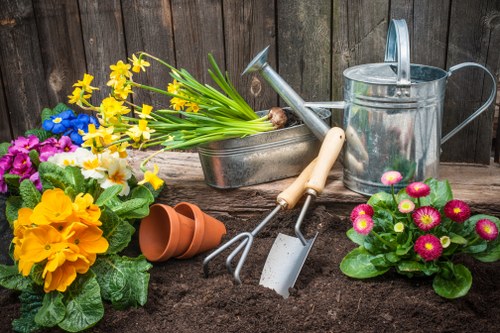
Selecting plants that are well-suited to Uxbridge's climate and soil conditions is crucial for successful gardening. Opt for native species that are adapted to the local environment, as they require less maintenance and are more resilient.
Consider the sun exposure, water requirements, and growth habits of plants to ensure they thrive in their designated spots.
Diversifying plant types can add visual interest and create a balanced ecosystem within your garden.
Watering Techniques
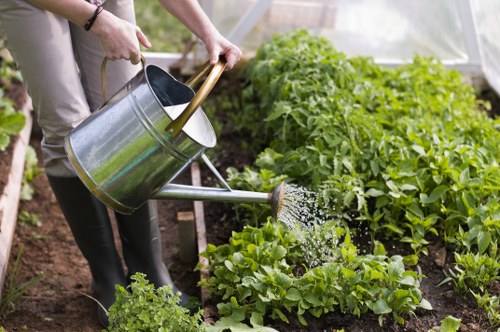
Proper watering is key to plant health. In Uxbridge, it's important to establish a consistent watering schedule that accounts for seasonal changes and rainfall patterns.
Using drip irrigation systems can efficiently deliver water directly to the plant roots, minimizing waste and promoting deep root growth.
Avoid overwatering, which can lead to root rot and other moisture-related issues.

Pest and Disease Management
Identifying Common Pests
Pests can pose significant threats to garden health. In Uxbridge, gardeners often encounter insects like aphids, slugs, and mites.
Early identification and intervention are crucial to prevent infestations from spreading.
Implementing integrated pest management (IPM) strategies can effectively control pests while minimizing environmental impact.
Preventing Plant Diseases
Diseases can devastate gardens if not properly managed. Regular monitoring and maintaining plant health are essential for disease prevention.
Ensure adequate spacing between plants to promote air circulation and reduce humidity levels, which can discourage fungal growth.
Applying appropriate fungicides and practicing crop rotation can also help in managing plant diseases.
Seasonal Garden Maintenance Tips
Spring Maintenance
Spring is a time for rejuvenation in the garden. Begin by cleaning up any debris from the winter months to prepare for new growth.
Planting new flowers and shrubs can add fresh color and vitality to your garden.
Fertilizing plants in the spring ensures they have the nutrients needed for robust growth throughout the season.
Summer Care
During the summer, focus on watering practices to cope with the heat. Mulching helps conserve moisture and keep the soil cool.
Regular weeding is essential to reduce competition for nutrients and water among plants.
Monitor plants for signs of stress or pest activity, addressing issues promptly to maintain garden health.
Autumn Preparation
As autumn approaches, prepare your garden for the colder months by pruning perennials and planting fall-blooming flowers.
Leaf removal is necessary to prevent mold and pests from taking hold in your garden.
Finalize your garden maintenance by dividing overcrowded plants and adding compost to enrich the soil for the next growing season.
Winter Maintenance
In winter, protect your garden by covering sensitive plants with mulch or frost cloths to shield them from harsh weather conditions.
Pruning deciduous trees and shrubs during their dormant phase can promote healthy growth in the spring.
Plan for the upcoming year by assessing what worked well and identifying areas for improvement in your garden maintenance routine.
Choosing the Right Garden Maintenance Service in Uxbridge
- Experience and Expertise: Look for services with a proven track record and knowledgeable staff.
- Comprehensive Services: Ensure the service offers a wide range of maintenance tasks tailored to your garden's needs.
- Customer Reviews: Positive testimonials can indicate reliable and high-quality service.
- Pricing and Value: Compare pricing structures to find a service that offers good value for the services provided.
- Eco-Friendly Practices: Opt for services that use sustainable and environmentally friendly methods.
Selecting the right garden maintenance service can make a significant difference in the health and appearance of your garden. Professionals bring the necessary skills and equipment to handle various maintenance tasks efficiently.
Additionally, they can offer personalized advice and solutions tailored to your garden's specific requirements.
Investing in a reputable garden maintenance service ensures your outdoor space remains beautiful and inviting year-round.
Benefits of Professional Garden Maintenance
Time-Saving
Maintaining a garden can be time-consuming, especially for busy households. Professional services take the burden off your shoulders, allowing you to enjoy your garden without the constant upkeep.
Experienced gardeners can efficiently manage tasks, ensuring timely and effective maintenance.
This allows you to focus on other aspects of your life while still reaping the rewards of a beautiful garden.
Enhanced Aesthetic Appeal
Professionally maintained gardens are more visually appealing and well-organized. Experts understand design principles and can create harmonious landscapes.
They can also introduce new plant varieties and design elements to enhance the overall look of your garden.
Aesthetic improvements not only increase your enjoyment of the space but can also add value to your property.
Increased Property Value
A well-maintained garden can significantly boost the value of your home. Prospective buyers are often attracted to properties with beautiful and well-cared-for outdoor spaces.
Investing in garden maintenance is a smart way to enhance your property's market appeal.
Regular upkeep ensures that your garden remains a standout feature of your home.
Healthier Plants
Professional maintenance ensures that your plants receive the proper care they need to thrive. Experts can identify and address issues like nutrient deficiencies, pests, and diseases promptly.
Healthy plants contribute to a vibrant and lively garden environment.
Furthermore, experts can provide tailored care plans to maintain plant health throughout the year.
Stress Reduction
A beautiful garden can be a source of relaxation and stress relief. Knowing that your garden is being professionally maintained allows you to fully enjoy its benefits without worry.
Creating a serene outdoor space can enhance your overall well-being and provide a peaceful retreat from daily stresses.
Investing in professional maintenance supports a harmonious and enjoyable garden experience.
DIY Garden Maintenance Tips for Uxbridge Gardeners
Regular Weeding
Keeping your garden free of weeds is essential for plant health. Weeds compete with your plants for nutrients and water, hindering their growth.
Regularly removing weeds by hand or using appropriate tools can help maintain a clean and thriving garden.
Applying mulch can also suppress weed growth and reduce the need for constant weeding.
Proper Watering Techniques
Efficient watering is crucial for plant survival, especially during dry spells. Water your garden early in the morning or late in the evening to minimize evaporation.
Avoid shallow watering, which encourages weak root systems. Instead, water deeply to promote strong, healthy roots.
Consider using rain barrels to collect rainwater for irrigation, reducing water usage and benefiting the environment.
Mulching Benefits
Mulching provides numerous benefits, including moisture retention, temperature regulation, and weed suppression.
Organic mulches, such as wood chips or straw, enrich the soil as they decompose, enhancing its fertility.
Inorganic mulches, like gravel or pebbles, offer aesthetic appeal and long-lasting weed control.
Pruning Techniques
Proper pruning techniques are essential for maintaining plant health and encouraging new growth. Remove dead or diseased branches to prevent the spread of infection.
Prune flowering plants after they bloom to promote future blossoms.
Use sharp, clean tools to make precise cuts, reducing the risk of damaging the plants.
Soil Fertilization
Regular fertilization ensures that your plants receive the necessary nutrients for growth. Choose fertilizers based on your soil test results to address specific deficiencies.
Organic fertilizers, such as compost or manure, provide slow-release nutrients, improving soil health over time.
Avoid over-fertilizing, which can lead to nutrient imbalances and harm plant health.
Additional Tips:
- Rotate crops annually to prevent soil depletion and reduce pest buildup.
- Use companion planting to naturally deter pests and improve plant growth.
- Incorporate perennials and native plants for a low-maintenance garden.
- Regularly inspect plants for signs of stress or disease.
- Invest in quality gardening tools to make maintenance tasks easier.
Implementing these DIY garden maintenance tips can help you achieve a beautiful and sustainable garden in Uxbridge.
While professional services offer comprehensive care, these practices empower you to maintain your garden's health and beauty independently.
Conclusion
Garden maintenance in Uxbridge is a multifaceted endeavor that involves careful planning, regular upkeep, and a deep understanding of plant care. Whether you choose to handle maintenance yourself or hire professional services, prioritizing the health and aesthetics of your garden will yield rewarding results.
By following the practices outlined in this article, you can ensure that your garden remains a vibrant and inviting space year-round.
Ready to transform your garden? Contact us today to book your garden maintenance service and enjoy a flourishing outdoor sanctuary.